You just finished your braces or Invisalign treatment, and your smile looks amazing. Now comes the step that keeps it that way: wearing retainers after braces. Retainers are custom-made devices that hold your teeth in their new positions while the surrounding bone and tissues settle. At Goings Orthodontics, we see retention as the third and final phase of your treatment, and it’s just as important as the active phase that got you here.
What Are Retainers and Why You Need Them After Braces
Retainers are custom orthodontic devices worn after active treatment to keep teeth from drifting back toward their original positions. They’re a required follow-up for anyone finishing braces or Invisalign because teeth naturally want to shift, especially in the first year after your appliances come off.
This shifting is called orthodontic relapse. Your teeth moved into new positions during treatment, but the bone and soft tissues around them need time to stabilize. Without that stabilization, your smile can quickly undo months (or years) of hard work.
Think of retainers as the protector of your investment. You put time, money, and patience into your braces or clear aligners. Consistent retainer wear is what preserves those results for life. At Goings Orthodontics, we treat retention as the final, essential phase of orthodontic care, not an afterthought. Dr. Goings designs a retention plan for every patient so your results last long after your last adjustment appointment.
How Retainers Work: Wear Schedule and Timeline
Here’s a simple snapshot of a typical retainer wear schedule after braces come off:
- First month: Full-time wear, 22+ hours daily. Remove only for eating, brushing, and flossing.
- Months 2+ to forever: Nighttime-only wear, roughly 12 to 14 hours while you sleep.
- Every 2 years: Replace your retainers.
Why so strict at the start? The first few months are when teeth are most mobile. The bone around each tooth is still remodeling, and even a few days without your retainer can let teeth shift. Patients who skip wear during this window are the ones most likely to see relapse.
As your bite settles, you can safely scale back. By the two-year mark, most patients only need to wear their retainer a few nights a week to maintain alignment. The key phrase is for life. Teeth continue to move subtly as we age, and nighttime retainer use is the simplest way to keep your smile stable into your 40s, 60s, and beyond.
Dr. Goings customizes every wear schedule based on your original misalignment, age, and the type of retainer you receive. Fixed retainers work differently. Once bonded behind your front teeth, they stay in place 24/7 with no removal required, which takes the guesswork out of compliance.
Benefits of Wearing Your Retainer Consistently
Regular use of a retainer does a lot more than keep your front teeth straight. Here’s what consistent wear protects:
- Maintains your straight teeth and bite alignment. Everything your braces or Invisalign corrected (spacing, crowding, bite relationships) stays locked in.
- Prevents orthodontic relapse. Teeth that shift back often require retreatment, which means more time, more cost, and more appointments.
- Allows bone and soft tissue to stabilize. Your mouth needs 12 to 24 months to fully adapt to your new tooth positions. Retainers give it that chance.
- Counteracts natural age-related tooth movement. As we get older, lower front teeth tend to crowd and shift inward. Nighttime retainer wear slows this process significantly.
- Protects your financial and time investment. You’ve put real resources into your smile. A retainer is the most affordable way to make sure that investment lasts.
- Supports long-term oral health. Straight, properly aligned teeth are easier to clean, chew with, and feel confident about.
Patients who stick with their retainer schedule rarely need any touch-up treatment. Those who stop wearing them, even years later, often come back asking why their bottom teeth look crowded again. The answer is almost always the same: teeth shift when nothing holds them in place.
Think of it like this. Braces or Invisalign do the heavy lifting. Retainers do the maintenance. Both are needed for your most beautiful, forever smile.
Types of Retainers: Hawley vs Clear vs Fixed
There are three main types of retainers, and each has its own strengths. Here’s how they compare:
| Feature | Hawley (Wire) | Clear (Essix) | Fixed (Bonded) |
|---|---|---|---|
| Appearance | Visible metal wire | Nearly invisible | Hidden behind teeth |
| Durability | 5-10 years | Around 5 years | Many years if intact |
| Removable | Yes | Yes | No, bonded in place |
| Adjustable | Yes | No | No |
| Compliance needed | High | High | None |
| Best for | Durability, bite adjustments | Discreet daily wear | Preventing lower-front relapse |
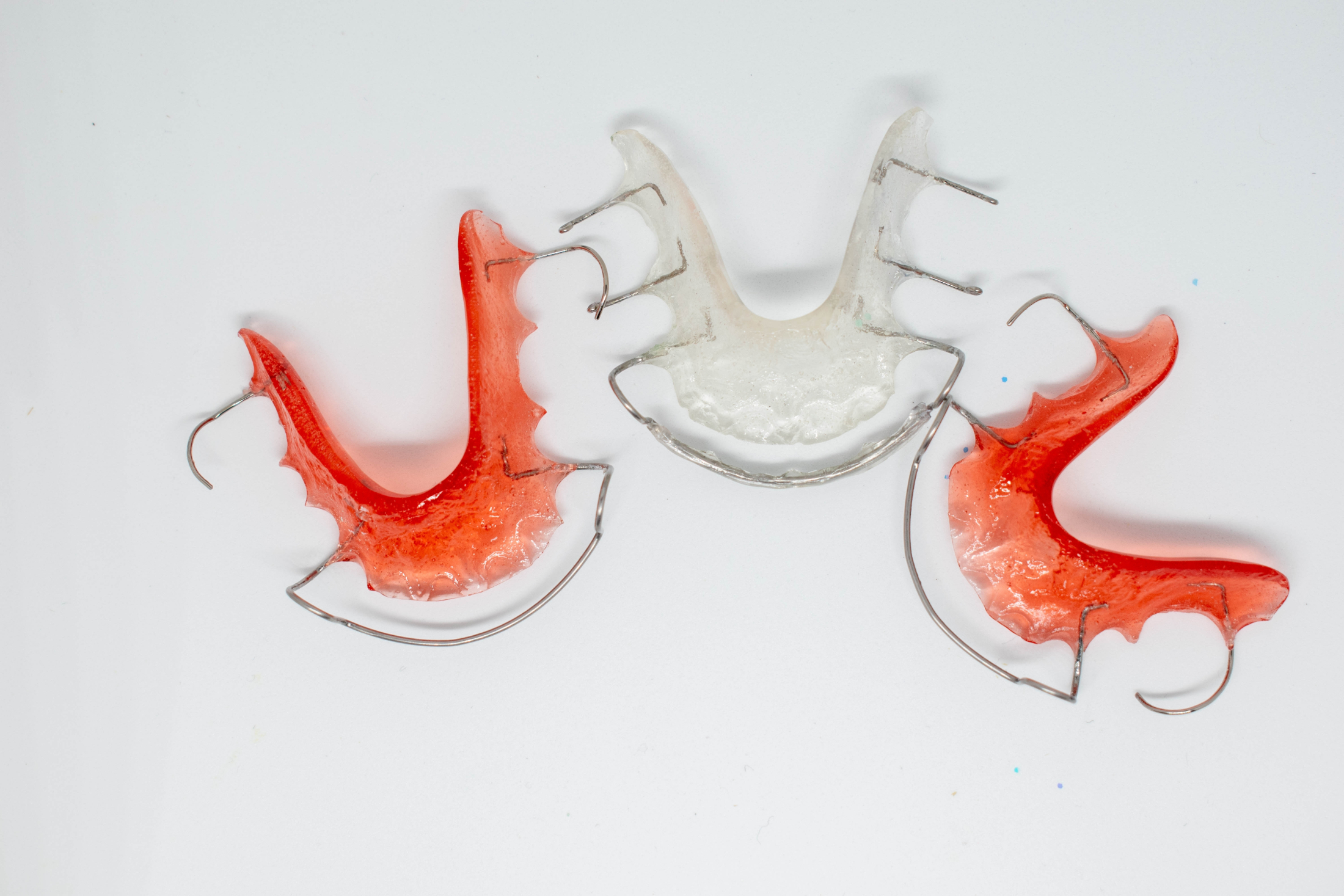
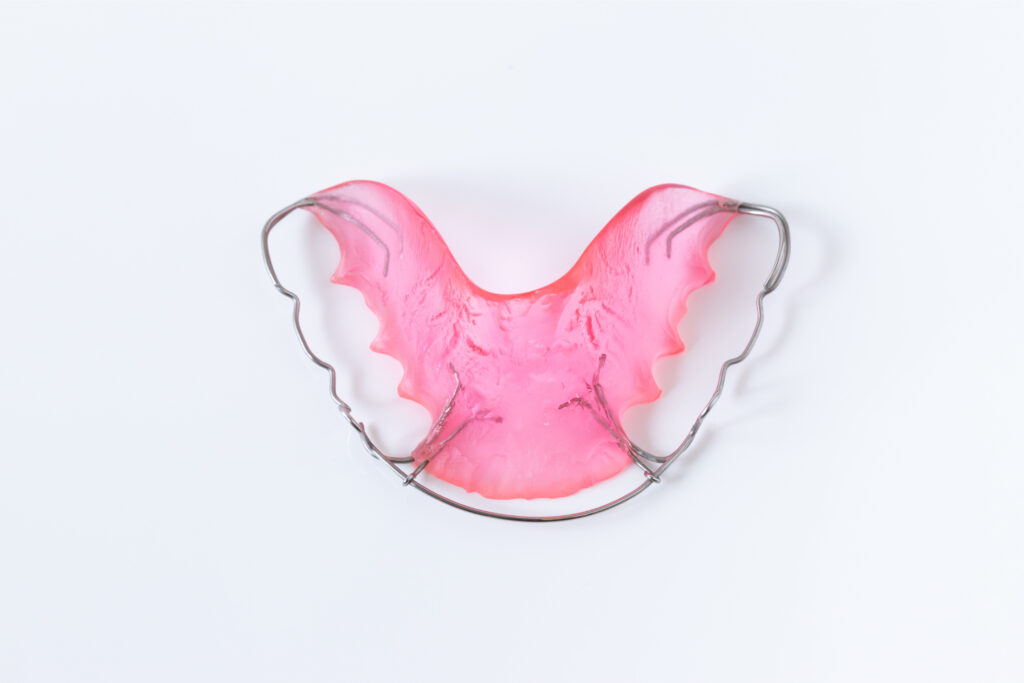
Hawley retainers are the classic design: a sturdy acrylic plate that sits against the roof of your mouth with a metal wire crossing the front of your teeth. They’re adjustable, which means Dr. Goings can make small tweaks over time. They’re also the most durable of the three.
Clear retainers (also called Essix) look and feel like Invisalign trays. They’re nearly invisible, which makes them popular with teens and adults. The trade-off is that the plastic can crack if dropped or exposed to heat, and they typically need replacement sooner than Hawley retainers.
Fixed retainers are a thin wire bonded to the back of your front teeth, usually on the lower arch. You don’t take them out, which means no compliance worries. The downside is that flossing takes a bit more effort (a floss threader helps), and if the bond ever loosens, you’ll need a quick visit to repair it.
Retainer Costs and Replacement Factors
Retainer pricing varies based on type, material, and whether you need one or two arches. Here’s a general breakdown:
- Clear retainers: typically $250 per arch
- Hawley retainers: typically $450 per arch
- Fixed/permanent retainers: typically $450
Ask about our Retainer Program and you can save money on your retainers.
At Goings Orthodontics, your initial set of retainers is included with your orthodontic treatment. You walk out at the end of your care with everything you need to protect your results, no surprise fees at the finish line.
Replacement costs come into play if a retainer gets lost, broken, cracked, or (in the case of younger patients) outgrown as the jaw continues to develop. Dr. Goings recommends keeping your retainer in its case any time it’s not in your mouth. Napkins at restaurants are the #1 enemy of retainers everywhere.
Dental insurance rarely covers retainers, but HSA and FSA funds are typically eligible. If you’re not sure what applies to your situation, our team at Goings Orthodontics can walk you through financing and payment options at your free consult.
Who Needs a Retainer and Which Type Is Right for You
Short answer: everyone. Every patient who completes braces or Invisalign needs a retainer, period. Without one, teeth will shift. The right type depends on your lifestyle, age, and goals.
Here’s a quick guide:
- Clear retainers work best for teens and adults who want something nearly invisible for daily wear.
- Fixed retainers are ideal if you’re worried about remembering to wear a removable device, or if you had significant lower-front crowding before treatment.
- Hawley retainers suit patients who want durability, adjustability, and a longer lifespan.
- Patients with severe pre-treatment misalignment often benefit from longer full-time wear or a combination of fixed and removable retainers.
- Younger patients sometimes do best with Hawley retainers because the design accommodates minor growth changes.
Dr. Goings evaluates your bite, oral hygiene habits, lifestyle, and treatment history before recommending a specific type. In many cases, a combination approach works best, like a fixed retainer on the lower arch paired with a clear retainer on the upper. Goings Orthodontics has been providing retention care across Fort Collins, Windsor, Loveland, and Northern Colorado for decades of awesome service, and we were named Best of NoCO 2025 Top Orthodontist. If you’re not sure which retainer is right for you, start with a free consultation and we’ll build a plan around your smile.
Frequently Asked Questions About Retainers After Braces
Do you need a retainer after braces?
Yes. Every patient who completes orthodontic treatment needs a retainer to prevent relapse. Teeth naturally want to shift back toward their original positions, and the bone and tissue around them need time to stabilize. Skipping retainer wear is the fastest way to undo your results.
Can I go 2 weeks without my retainer?
It’s not a great idea. Even in the first year after braces, going two weeks without your retainer can allow minor shifting. When you try to put it back in, it may feel tight or even refuse to seat properly. If this happens, contact your orthodontist right away. Catching it early usually means you can get back on track without a new retainer or additional treatment.
Do retainers hurt?
No. You might feel mild tightness or pressure for the first day or two, especially after breaks in wear, but that’s a sign the retainer is doing its job. There’s no real discomfort involved. Clear retainers feel similar to Invisalign trays, and Hawley retainers simply take a few days to get used to.
How long do retainers last?
Clear retainers typically last around 5 years with proper care. Hawley retainers can last 5 to 10 years or longer. Fixed retainers can stay in place for many years as long as the bond remains intact. Lifespan depends on how well you clean and store them, so treat your retainer gently.
What if I lose my retainer?
Contact your orthodontist as soon as possible. The longer you go without one, the more your teeth can shift. At Goings Orthodontics, we can scan your teeth and have a replacement made quickly, often using the digital records from your original treatment.
Can retainers straighten teeth?
No. Retainers are designed to maintain the alignment you already achieved through braces or Invisalign. They can’t move teeth into new positions. If your teeth have shifted significantly, you’ll need a short course of active treatment before a new retainer can hold the corrected position.
Ready to protect your smile for life? Whether you just finished treatment or you’re replacing a lost retainer, our team at Goings Orthodontics is here to help. Visit our Fort Collins office at 4733 S. Timberline Rd., Suite 101 (970-377-1888) or our Windsor office at 1218 W. Ash St., Suite D (970-460-0791) to start with a free consultation today.