
If you’ve noticed your child sleeping with their mouth open, snoring most nights or waking up tired no matter how early they go to bed, you’re not alone. Mouth breathing and snoring in kids are more common than many parents realize, and they can quietly affect sleep, learning, dental health and even facial growth. The good news? When caught early, these patterns are very treatable.
What Is Mouth Breathing and Snoring in Kids?
Mouth breathing and snoring in kids are two related airway habits. Mouth breathing is the regular pattern of breathing through the mouth instead of the nose, either while awake or asleep. Snoring is the sound created when relaxed throat tissues vibrate as air squeezes through a narrowed upper airway during sleep.
Occasional mouth breathing during a cold or allergy flare-up is normal. Nightly snoring or chronic open-mouth posture, on the other hand, isn’t something kids simply grow out of. Both patterns can point to an underlying airway obstruction or a condition called sleep-disordered breathing.
Obstructive sleep apnea, the most serious form, affects roughly 1 to 4 percent of children. It shows up most often between ages 2 and 8, when the tonsils and adenoids are at their largest relative to the airway.
How Mouth Breathing and Snoring Develop: Causes and Mechanism
Most airway issues in kids start with one thing: the nose can’t do its job. When nasal breathing is blocked, the mouth takes over. That shift gradually reshapes how the jaws, tongue and face grow during childhood.
Here’s how the pattern typically develops:
- Nasal obstruction kicks things off. Allergies, chronic congestion, a deviated septum or swollen nasal tissues make nose breathing difficult.
- Enlarged tonsils and adenoids narrow the airway. These lymph tissues sit at the back of the throat and nasopharynx. When oversized, they crowd the airway and force mouth breathing.
- Tongue posture drops. A properly resting tongue sits gently against the roof of the mouth, helping shape a wide upper palate. With mouth breathing, the tongue falls low, and the palate grows narrow and high instead.
- Jaw growth shifts. A narrow upper arch leads to crowding, crossbites and a longer, narrower face shape.
- Snoring begins. During sleep, relaxed throat muscles combined with a crowded airway create the vibration we hear as snoring.
- The pattern can progress. Left untreated, snoring may develop into obstructive sleep apnea (OSA), where breathing briefly pauses and oxygen levels dip during the night.
It’s a cycle. Obstruction causes mouth breathing, mouth breathing reshapes growth and reshaped growth makes the airway even smaller. Breaking that cycle early matters, and the sooner a family notices the signs, the more options are on the table for gentle, growth-friendly care.

Warning Signs and Health Impacts Parents Should Know
Kids rarely tell you their sleep feels off. They just act like themselves, tired, cranky or distracted, and we chalk it up to normal childhood. Knowing the signs helps you spot airway issues earlier.
Nighttime red flags:
- Loud or frequent snoring
- Gasping, choking or long pauses in breathing
- Restless, thrashing sleep
- Night sweats or soaked pajamas
- Bedwetting beyond typical age
- Sleeping in unusual positions (head tilted back, neck extended)
Daytime red flags:
- Dry, cracked lips or chronic chapped mouth
- Dark circles under the eyes
- Chronic morning fatigue or napping heavily
- Irritability, mood swings or short temper
- Difficulty focusing at school
- Frequent headaches
Watch for these dental and oral signs too:
- New cavities despite good brushing
- Red, puffy gums from a dry mouth
- Crowded teeth, open bite or crossbite
- Narrow, high-arched palate
- Visible tongue thrust when swallowing
Facial growth patterns can also tell a story:
- Longer, narrower face shape
- Recessed or small lower jaw
- Flat cheekbones
- The “adenoid facies” look, often described as a tired, open-mouth expression
Behavior and learning concerns:
Poor sleep can look a lot like ADHD. Kids with untreated airway issues often struggle with attention, impulse control and memory. Many families are surprised when sleep turns out to be the missing piece.
Speech patterns:
A low tongue posture can lead to lisps, tongue thrust swallowing and other articulation issues that speech therapy alone may not fully resolve without addressing the airway.
Mouth Breathing vs. Normal Nasal Breathing: Key Differences
Nasal breathing isn’t just a preference, it’s how the body is designed to breathe. The nose filters allergens, warms cold air and adds humidity before air reaches the lungs. The mouth does none of that.
Here’s a side-by-side look at what each pattern does for your child’s health and development:
| Factor | Nasal Breathing | Mouth Breathing |
|---|---|---|
| Air filtration | Filters dust, allergens, pathogens | No filtration |
| Air temperature | Warms and humidifies | Cold, dry air hits lungs |
| Tongue posture | Rests on palate, shapes wide arch | Drops low, narrow palate forms |
| Lip seal | Lips closed, balanced facial muscles | Lips apart, weak muscle tone |
| Saliva | Moistens teeth, fights cavities | Dries out, cavity risk rises |
| Jaw growth | Balanced forward growth | Longer, narrower face pattern |
| Sleep quality | Deeper, restorative | Fragmented, lower oxygen |
Severity levels of sleep-disordered breathing:
| Level | What It Looks Like |
|---|---|
| Simple (primary) snoring | Snoring without pauses, gasps or oxygen drops |
| Upper airway resistance | Noisy breathing, fragmented sleep, no clear apneas |
| Obstructive sleep apnea | Snoring with pauses, gasping, drops in oxygen |
Which provider does what?
- Pediatrician: First stop for sleep concerns, may refer for a sleep study
- ENT: Evaluates tonsils, adenoids and nasal structure
- Pediatric dentist: Spots dental and palate signs of airway issues
- Orthodontist with an airway focus: Addresses jaw growth, palate width and tongue posture
A team approach almost always produces the best outcome.
What an Airway Evaluation Involves
Getting answers about mouth breathing and snoring in kids usually involves a few professionals, and each one looks at a different piece of the puzzle. At Goings Orthodontics, the first step is a free consult with no obligation, so you can get expert input before deciding anything. We also walk you through insurance questions at that visit, so there are no surprises later.
Here’s how the process usually breaks down:
- Free consult at Goings Orthodontics: A no-obligation look at your child’s bite, palate and airway
- Sleep study (polysomnography): Ordered by a physician and usually covered by medical insurance
- ENT evaluation and tonsil or adenoid removal: Typically falls under medical benefits
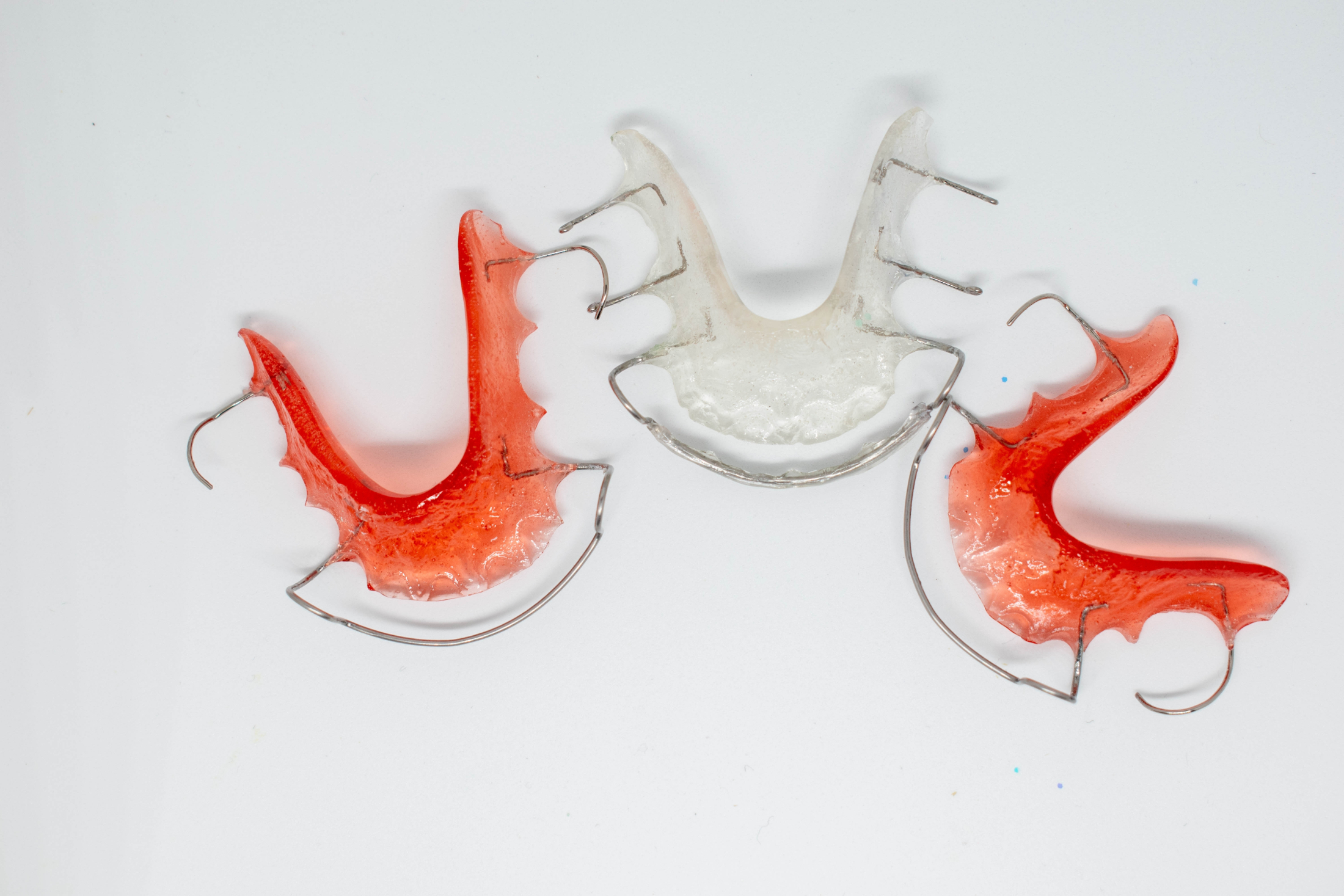
- Airway-focused orthodontics: Depends on your child’s needs, and palatal expansion is often part of a Phase 1 plan
- Early (Phase 1) treatment: Catching problems while your child is still growing may reduce the need for longer, more involved treatment later
Is Your Child a Candidate for Airway-Focused Orthodontic Evaluation?
Not every child who snores needs orthodontics, and not every narrow smile signals a sleep issue. But when breathing patterns and dental signs line up, early evaluation can change the trajectory of your child’s growth. Dr. Goings looks at the whole picture, airway, jaw development, tongue posture and sleep habits, to decide what’s helpful and when.
Your child may be a strong candidate for an airway-focused evaluation if they show several of the following:
- Ages 7 to 12 with a narrow upper palate, crossbite or crowded teeth
- Nightly snoring, chronic mouth breathing or restless sleep
- History of enlarged tonsils, adenoids or chronic allergies
- High, narrow palate or open bite visible when they smile
- Tongue thrust swallowing or speech patterns tied to tongue posture
- Daytime fatigue, focus struggles or behavioral concerns tied to sleep
For kids with more involved cases, Dr. Goings often coordinates with your pediatrician and ENT so everyone’s sharing the same plan. At Goings Orthodontics, we treat airway as part of healthy orthodontic growth, not an afterthought.
Frequently Asked Questions About Kids’ Mouth Breathing and Snoring
How do we stop mouth breathing in a child?
Start by finding the cause. If allergies, enlarged tonsils or nasal congestion are blocking nose breathing, those need to be addressed first by a pediatrician or ENT. Once the airway is open, orthodontic care can help widen a narrow palate and support proper tongue posture, making nasal breathing feel natural again.
Is mouth breathing linked to ADHD?
Mouth breathing and ADHD share overlapping symptoms like trouble focusing, irritability and restlessness, but they aren’t the same condition. Research suggests that poor sleep from airway issues can mimic or worsen attention challenges. Some kids with attention concerns see real improvement once sleep-disordered breathing is treated.
Can my child outgrow snoring?
Occasional snoring during a cold often clears up on its own. Chronic, loud snoring most nights isn’t something kids simply grow out of, especially if it comes with gasping, pauses or daytime fatigue. Ongoing snoring deserves a professional evaluation to rule out sleep-disordered breathing or obstructive sleep apnea.
Is mouth taping safe for children?
Mouth taping is not recommended for children without professional guidance. Kids need to breathe through their mouth if the nose is blocked, and taping can be unsafe when the underlying airway issue hasn’t been treated. Always work with your pediatrician, ENT and orthodontist to address the root cause first.
When does mouth breathing require tonsil or adenoid removal?
When enlarged tonsils or adenoids are the main source of obstruction, an ENT may recommend removing them. This is one of the most common and effective treatments for pediatric sleep-disordered breathing. Not every child needs it, which is why a thorough evaluation matters before any decision is made. Dr. Goings is glad to help coordinate that conversation with your medical team so the whole plan fits together.
Does my child need a sleep study?
If your child shows signs of sleep apnea, loud snoring with pauses, gasping, restless nights, bedwetting or daytime fatigue, a sleep study is often the next step. Your pediatrician or ENT can order one, and results guide the whole care team on what treatment makes the most sense.
If something about your child’s sleep or breathing feels off, trust that instinct. At Goings Orthodontics, Dr. Goings and our team look at your child’s airway, jaw growth and smile as one connected picture. We’d love to help you find answers. Start with a free consult at our Fort Collins office (4733 S. Timberline Rd., Suite 101, 970-377-1888) or our Windsor office (1218 W. Ash St., Suite D, 970-460-0791). We care for families all across Northern Colorado, and we’d be honored to care for yours.