Finding the best orthodontist in Fort Collins means looking beyond just credentials. The right orthodontist combines specialty training, modern technology, and a real focus on making your experience enjoyable. If you’re exploring options for your child, teen, or yourself, knowing what makes one orthodontist stand out helps you make a confident choice.
What Makes the Best Orthodontist in Fort Collins?
The best orthodontist combines specialty residency training, AAO membership, modern diagnostic technology, and a team that genuinely cares about your experience. Look for board-certified providers with verified specialty education, dedicated orthodontic equipment, and consistent patient reviews praising both results and comfort. These signals point to lasting expertise and patient-first care.
An orthodontist is a dental specialist who completes an additional 2-3 years of residency training after dental school. This specialty education focuses entirely on tooth movement, jaw alignment, and facial development. While any dentist can technically offer braces, orthodontists dedicate their careers to straightening teeth and correcting bites.
The “best” orthodontist goes beyond basic qualifications. Look for someone who combines:
- Specialty training verified through the American Association of Orthodontists (AAO)
- Board certification that shows commitment to ongoing excellence
- Modern technology for accurate diagnostics and comfortable treatment
- Patient-centered care that makes visits something to look forward to
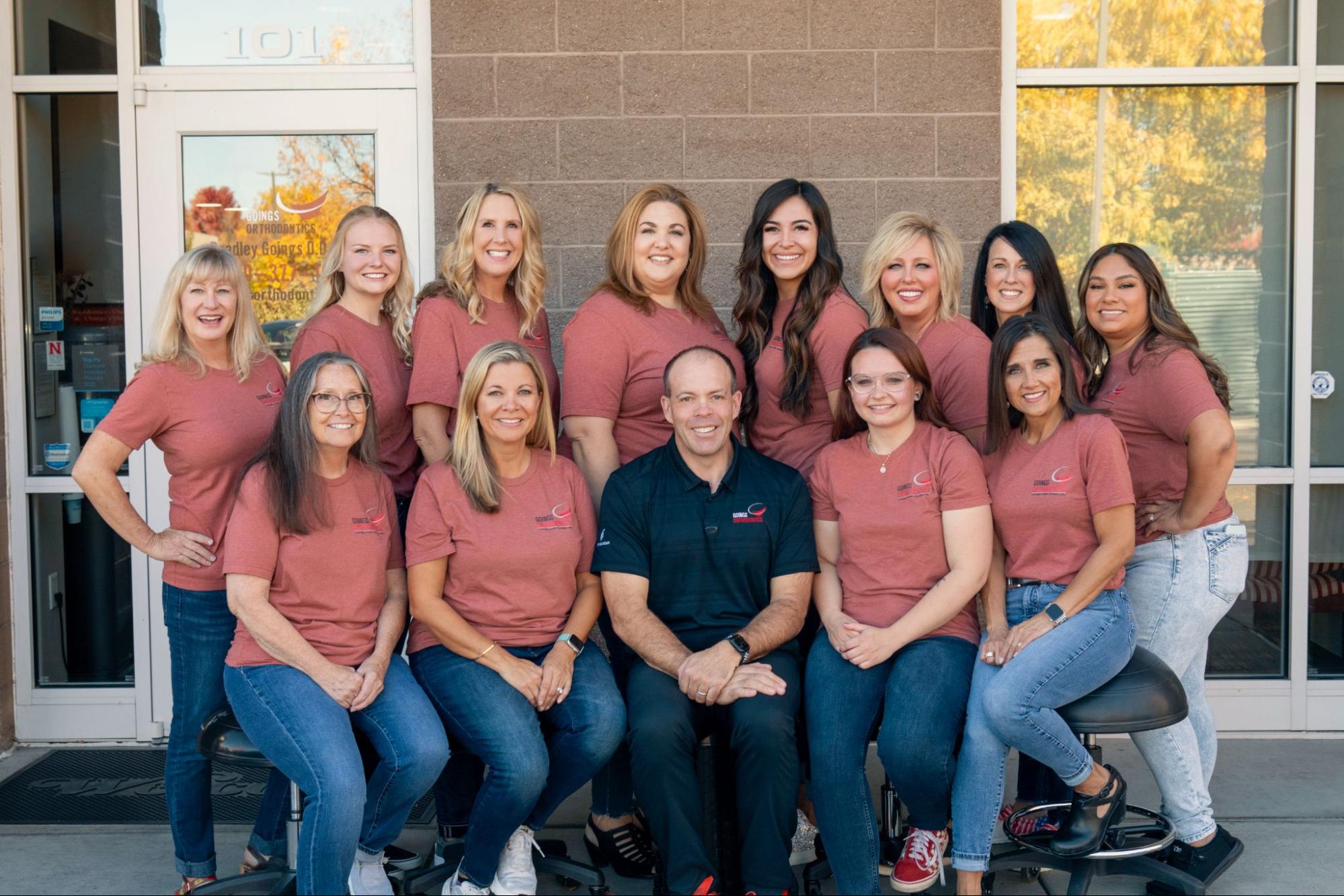
At Goings Orthodontics, Dr. Bradley Goings completed specialty orthodontic residency training along with Advanced Education in General Dentistry. His years of U.S. Air Force dentistry experience add another layer of expertise that benefits every patient who walks through the door at our Fort Collins practice.
How to Evaluate and Choose an Orthodontist
Selecting the right orthodontist takes a bit of research, but it’s worth the effort. Here’s a practical approach:
How Do You Verify Credentials and Training?
Start by confirming the orthodontist completed a specialty residency. Check for AAO membership, which requires verified specialty training. Ask about continuing education courses, too. Orthodontics changes constantly, and the best providers stay current.
Why Schedule a Free Consult?
A consultation reveals more than any website can. Pay attention to how the team communicates. Do they explain things clearly? Do they listen to your concerns? The best practices make you feel heard, not rushed.
What Treatment Options Should You Review?
A top-rated orthodontist offers multiple treatment approaches:
| Treatment Type | Best For | Key Benefits |
|---|---|---|
| Metal Braces | Complex cases, all ages | Precise control, effective for severe crowding |
| Clear Braces | Teens and adults wanting discretion | Blends with teeth, same effectiveness as metal |
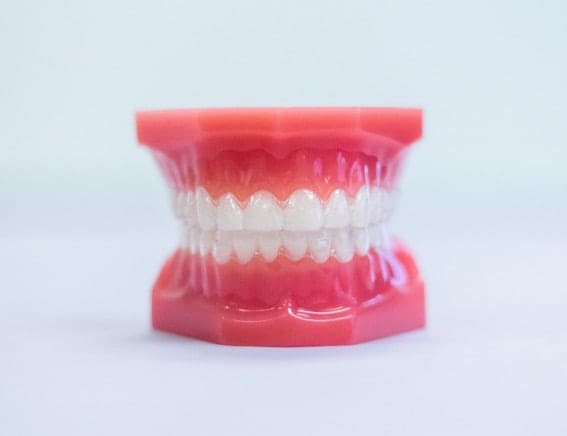
| Invisalign | Mild to moderate cases | Removable, nearly invisible, easier cleaning |
What Technology Should You Ask About?
Digital scans, 3D treatment planning, and virtual consultations make treatment more comfortable and predictable. Practices investing in technology typically deliver better experiences.
How Do Patient Reviews Help You Decide?
Look for patterns in reviews. Consistent mentions of friendly team members, comfortable visits, and great results tell you what to expect.
Benefits of Choosing a Top-Rated Orthodontist
Working with a highly qualified orthodontics specialist offers advantages you’ll appreciate throughout treatment and beyond. The right specialist brings predictability, expertise, and a comfort level that turns a clinical experience into something genuinely positive. Families across Fort Collins notice the difference quickly.
Why Does Specialty Expertise Lead to Better Results?
Specialists treat orthodontic cases daily, not occasionally. That repetition builds judgment about timing, technique, and case planning. Predictable outcomes come from a provider who spends every day moving teeth and correcting bites. You also gain access to advanced choices like Invisalign and clear braces, plus better long-term stability thanks to thoughtful retention planning.
How Does Patient Experience Shape Treatment?
When a practice prioritizes comfort, every appointment feels easier. The Goings Orthodontics team welcomes treatment options for every age, from early care for kids to adult smile makeovers in Fort Collins. Dr. Goings has been recognized by the local community for the kind of care that makes a real difference in treatment outcomes. When your orthodontist genuinely loves what they do, it shows in every appointment.
What’s the Difference Between an Orthodontist and General Dentist?
Understanding the distinction helps you make an informed choice about who should straighten your smile.
| Factor | Orthodontist | General Dentist |
|---|---|---|
| Training | 2-3 years specialty residency after dental school | 4 years dental school only |
| Focus | Exclusively tooth movement and bite correction | Broad range of dental services |
| Complex Cases | Trained to handle jaw alignment, growth issues, airway concerns | May refer complex cases out |
| Technology | Dedicated orthodontic equipment and diagnostics | General dental technology |
| Case Volume | Treats orthodontic cases daily | May do occasional cases |
For straightforward cases, some general dentists can provide adequate care. But for anything involving bite correction, jaw alignment, or growth concerns in children, an orthodontics specialist brings training and experience that matters.
What Should You Ask at a Consultation?
A first visit is your chance to find out whether a practice is the right fit. Come with questions. A good orthodontist will welcome them.
- What does my case actually involve? Ask them to walk you through what needs to move and why, not just which appliance they’d use.
- How long will treatment take, and what affects that? A specific answer tied to your case tells you more than a general range.
- Which treatment options are realistic for me? If only one option is on the table, ask why the others were ruled out.
- How often will I need to come in? Appointment frequency varies a lot between appliances and between practices.
- What happens after treatment ends? Retention planning is where long-term results are won or lost, so it should come up before you start.
- Do you work with my insurance? Verifying orthodontic benefits early saves you a surprise later.
Pay attention to how the answers come across, not just what they contain. A practice that takes time to explain things at the consultation will do the same thing eighteen months in.
Who Should See an Orthodontist?
Orthodontic care benefits people at every stage of life:
- Children age 7 and up: The American Association of Orthodontists recommends a first evaluation by age 7. Early treatment can guide jaw growth and create space for permanent teeth.
- Teens with crowding or bite issues: Full treatment during adolescence takes advantage of natural growth patterns.
- Adults wanting a better smile: Discreet options like Invisalign and clear braces make adult treatment more appealing than ever.
- Anyone with breathing or airway concerns: Orthodontic treatment can address structural issues affecting sleep and breathing.
- People considering cosmetic improvements: Sometimes the best smile makeover starts with proper alignment.
Frequently Asked Questions
How do I know if an orthodontist is qualified?
Look for AAO membership, which requires verified specialty training beyond dental school. Ask about their residency program and any additional certifications. Board-certified orthodontists have shown extra focus on quality through tough exams. Many Fort Collins families also ask about continuing education hours to gauge how current a provider stays.
What’s the difference between Invisalign and braces?
Invisalign uses clear, removable aligners to move teeth gradually. Metal braces use brackets and wires for precise control. Both achieve excellent results. Dr. Goings, as a diamond provider for Invisalign, can help determine which option fits your lifestyle and treatment needs best.
How long does orthodontic treatment take?
Treatment length varies based on your specific case. Simple corrections might take 12 months, while full treatment often runs 18-24 months. Dr. Goings will provide a personalized timeline during your consultation at the Fort Collins office.
Is a free consultation worth scheduling?
Absolutely. A free consult lets you meet the team, ask questions, and understand your options without any commitment. It’s the best way to determine if a practice feels right for you.
Can adults still get braces or Invisalign?
Yes! There’s no age limit on orthodontic treatment. Many adults choose Invisalign or clear braces for a discreet approach. Healthy teeth can be moved at any age, and adult treatment is more common than ever. Goings Orthodontics sees adult patients from across Fort Collins every week.
What is airway-focused orthodontics?
This approach considers how jaw position and tooth alignment affect breathing. Proper alignment can improve airway function, potentially helping with sleep quality and overall health. It’s an important factor to consider, especially for growing children.
Ready to Meet Our Team?
The easiest way to know whether a practice is right for your family is to sit down with them. Schedule a free consult at our Fort Collins office and bring your questions with you.